
Brand Shell Integration
Can be installed in customer-designed or co-planned machine shells to maintain brand visual identity and scene integrity.
SHARE


Integrate shooting, touch, and printing modules into the brand shell, set operational workflows according to venue, supporting Korean-style photo strips and brand-exclusive photo paper output.
Custom photo booths integrated for brand marketing, PR companies, event planners, and exhibition teams. Camera, touch screen, lighting, and printer configured based on brand shell, exhibition structure, and venue conditions, supporting Korean-style photo strips, branded frames, and on-site printing. Before cooperation, provide event date, venue layout, estimated attendance, output requirements, and budget range to evaluate production division, equipment configuration, full-system testing, and on-site support.
Discuss Custom Photo Booth Requirements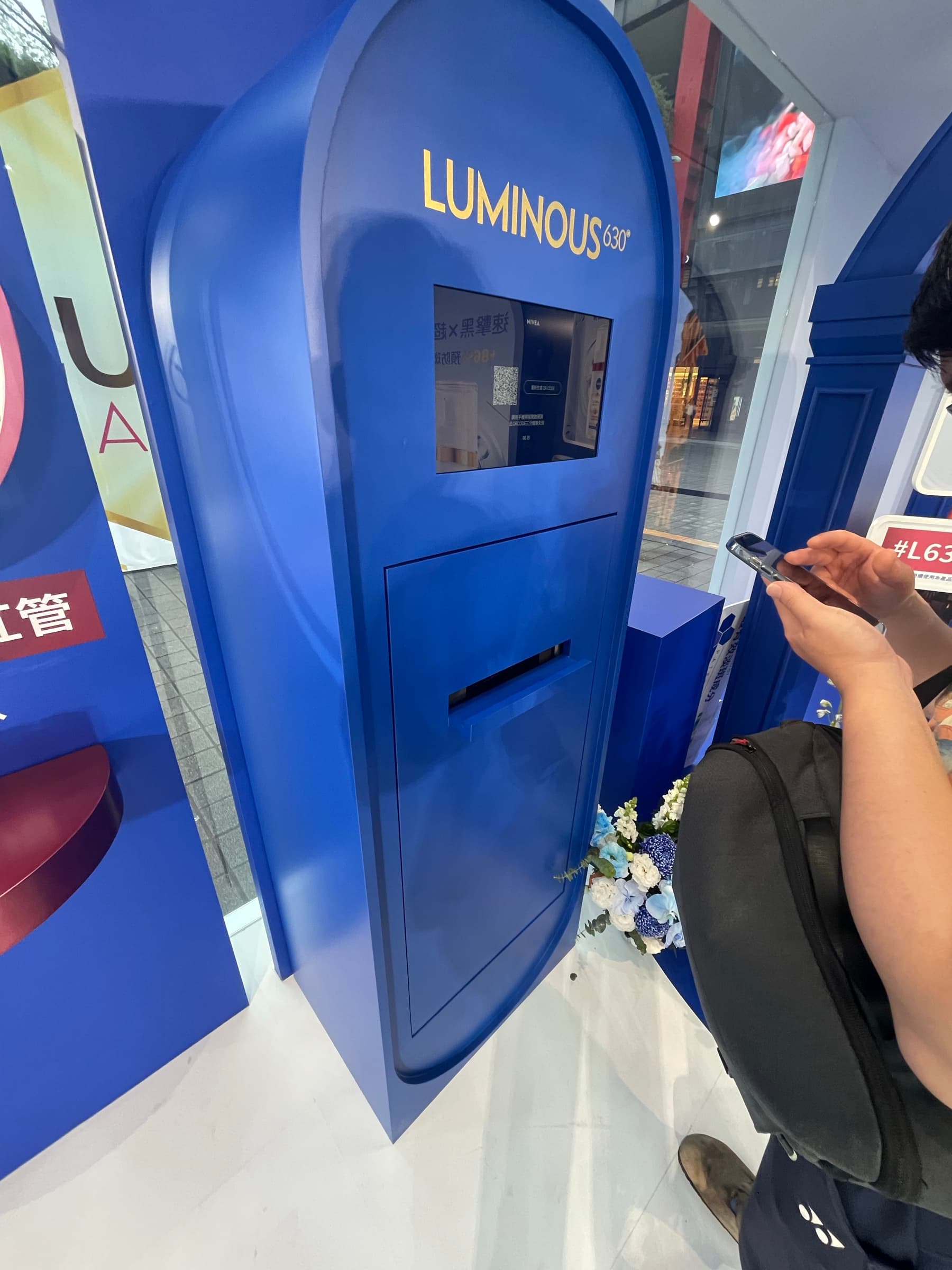
Can be installed in customer-designed or co-planned machine shells to maintain brand visual identity and scene integrity.
Configure camera, touch screen, lighting, control computer, printer, and photo paper output based on spatial layout.
Adjust operation, shooting, and output processes according to shooting distance, foot traffic, event duration, and network conditions.
Supports long-strip continuous shots, two-frame, multiple photos, and brand-exclusive photo paper templates.
Touch interface, countdown, prompt text, frames, logos, and product materials can be designed per project.
After module installation and testing of entire system, printing, and continuous operation, proceed to on-site deployment.
Collect shell drawings, dimensions, materials, event venue details, anticipated users, and brand guidelines.
Confirm lens, screen, lighting, paper outlet, power, ventilation, maintenance doors, and consumable space.
Develop shooting workflow, brand interface, Korean-style photo strip or specified photo paper output formats.
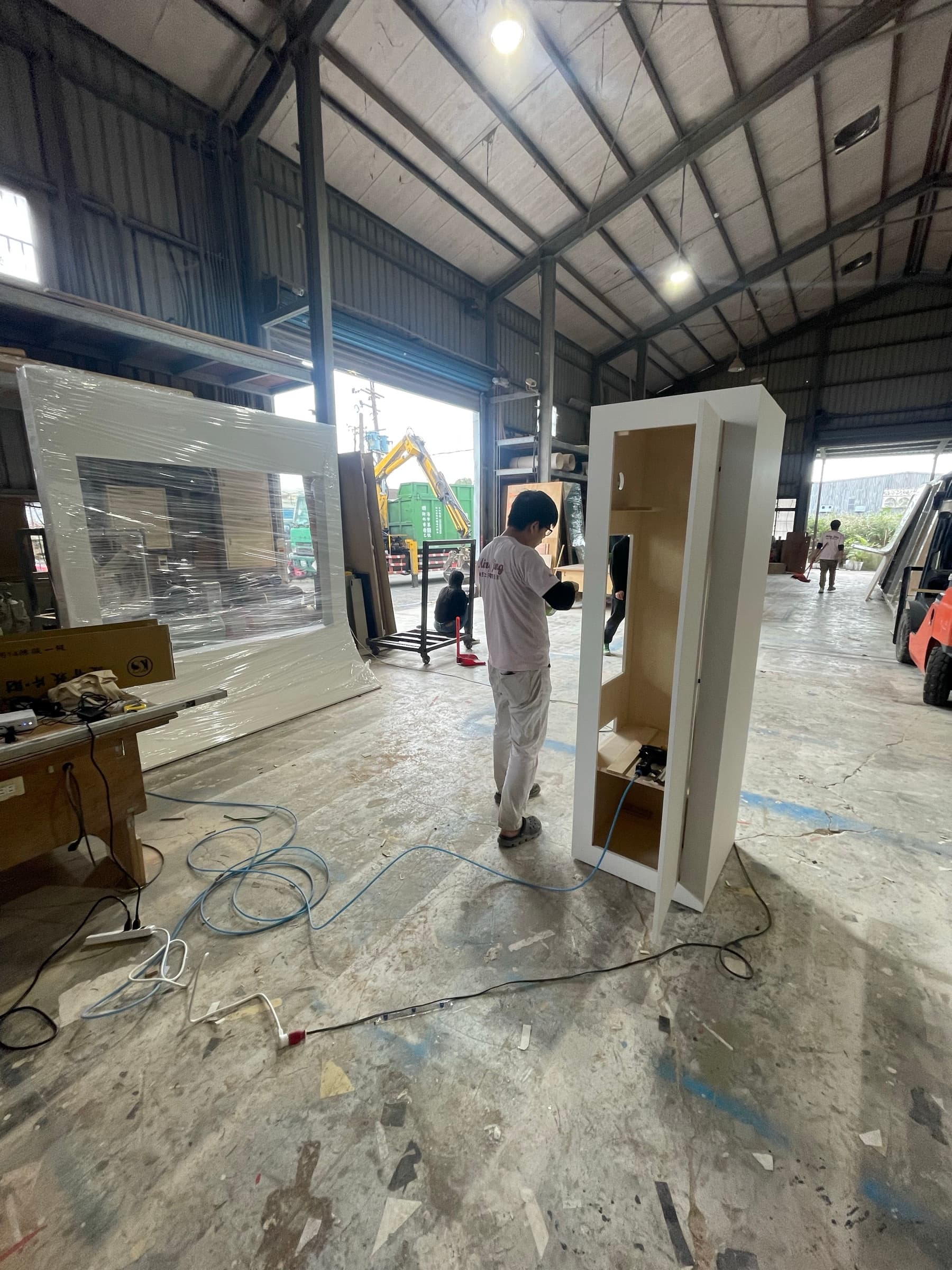
Install the device into the enclosure; test shooting angles, touch controls, printing, cooling, and continuous operation.
Complete device positioning, site setup, power and network, shooting and printing tests.
Arrange operation methods, consumable replenishment, on-site personnel, or exception handling processes as needed.
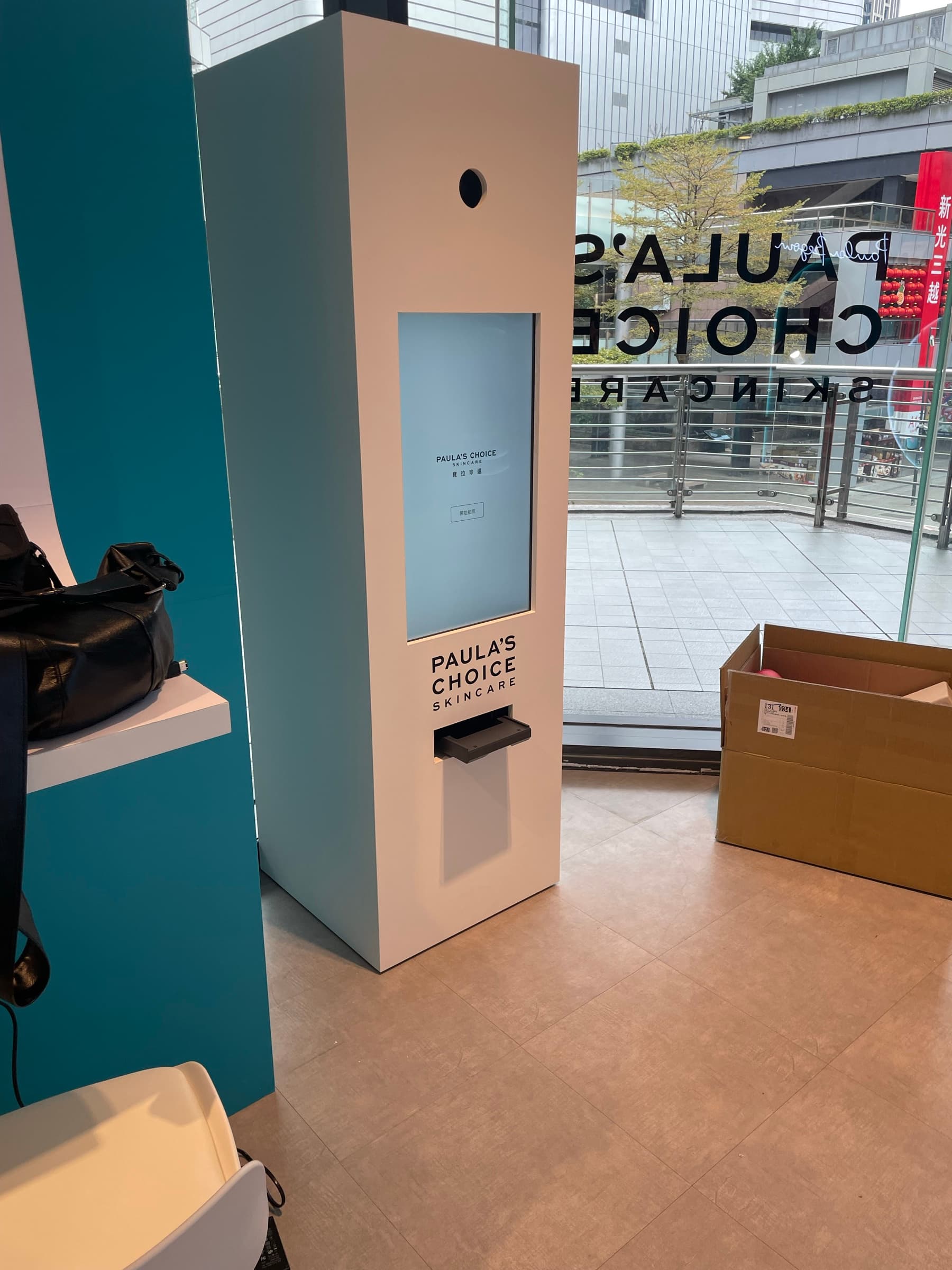
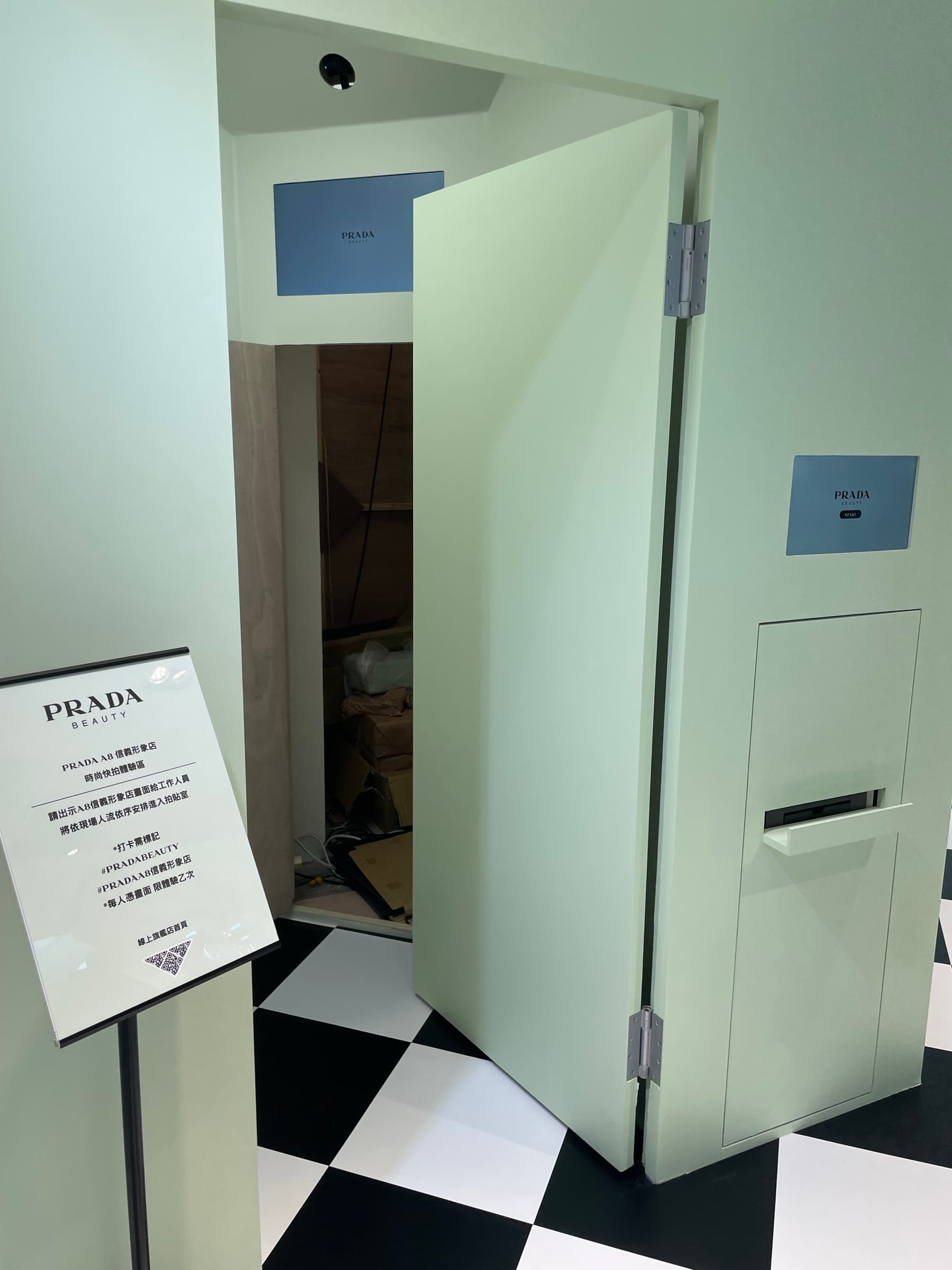
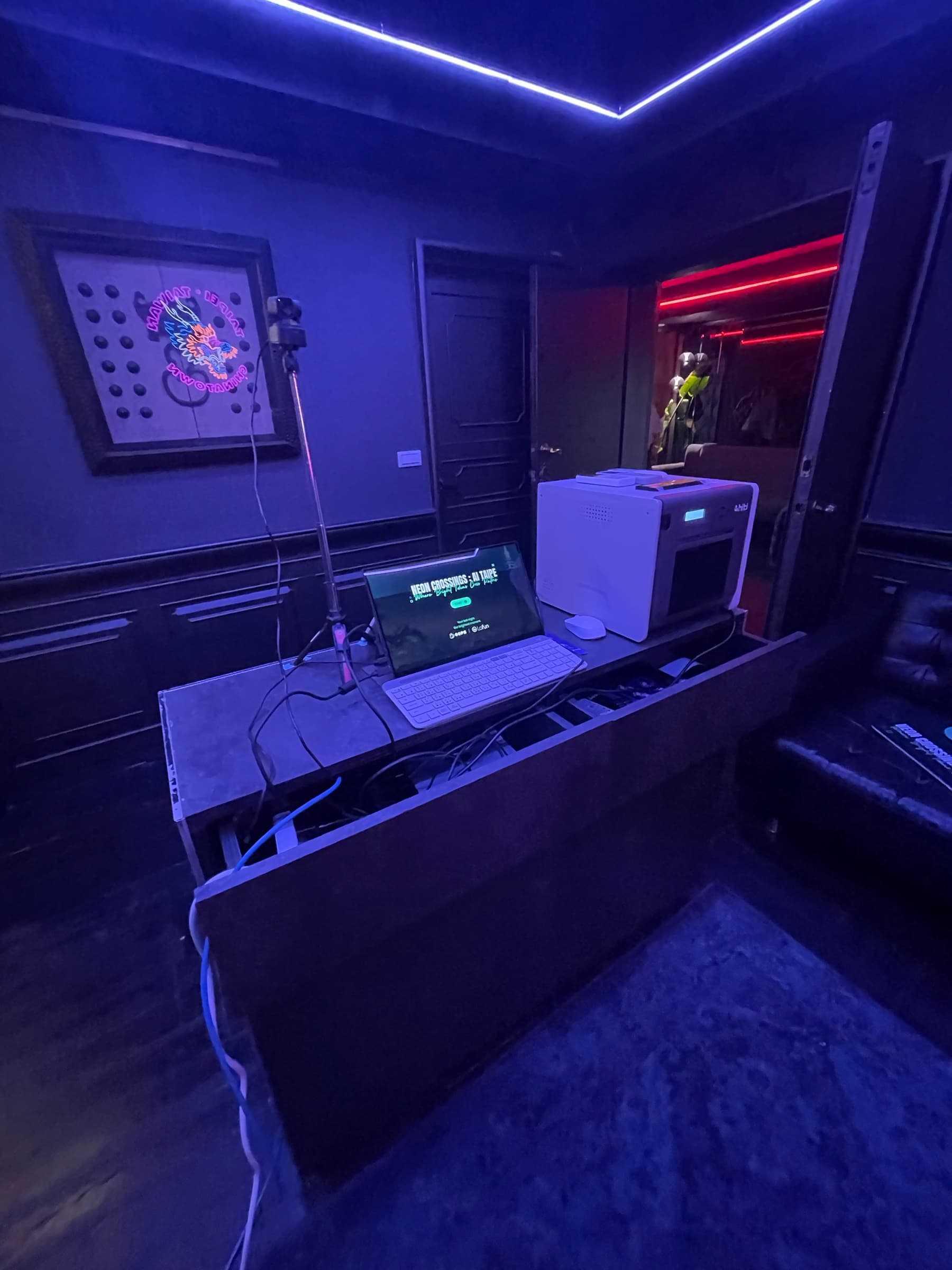
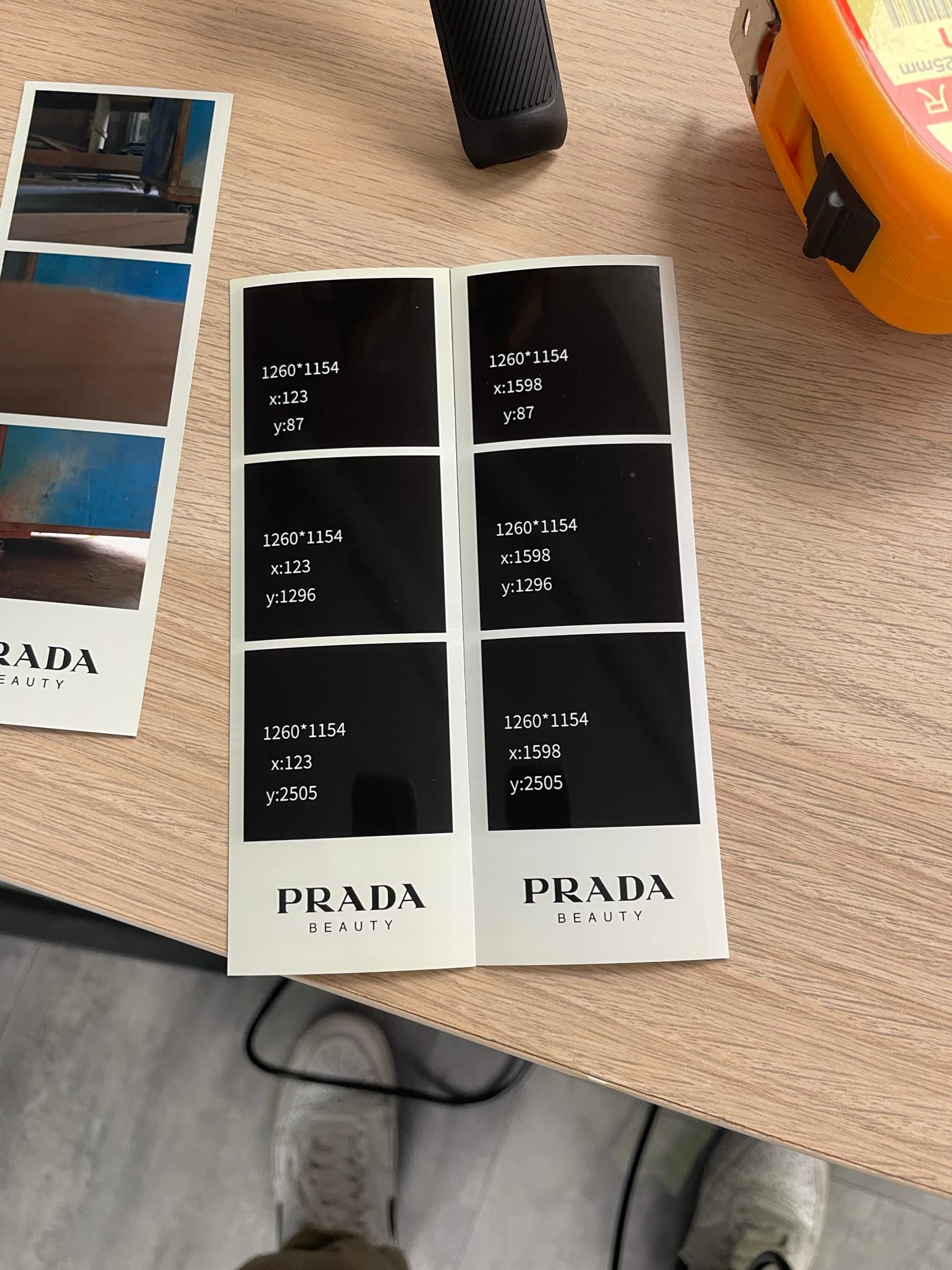
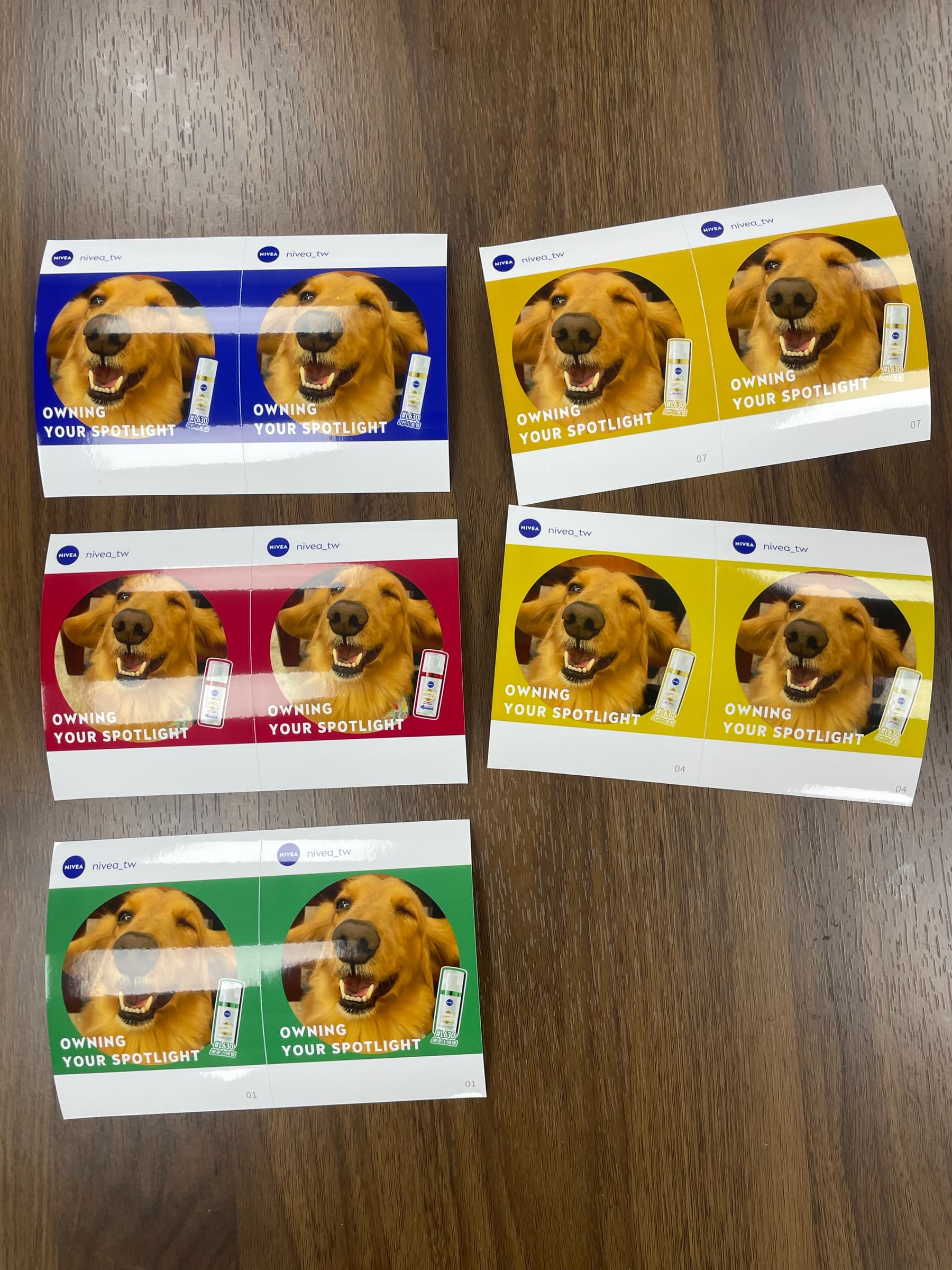
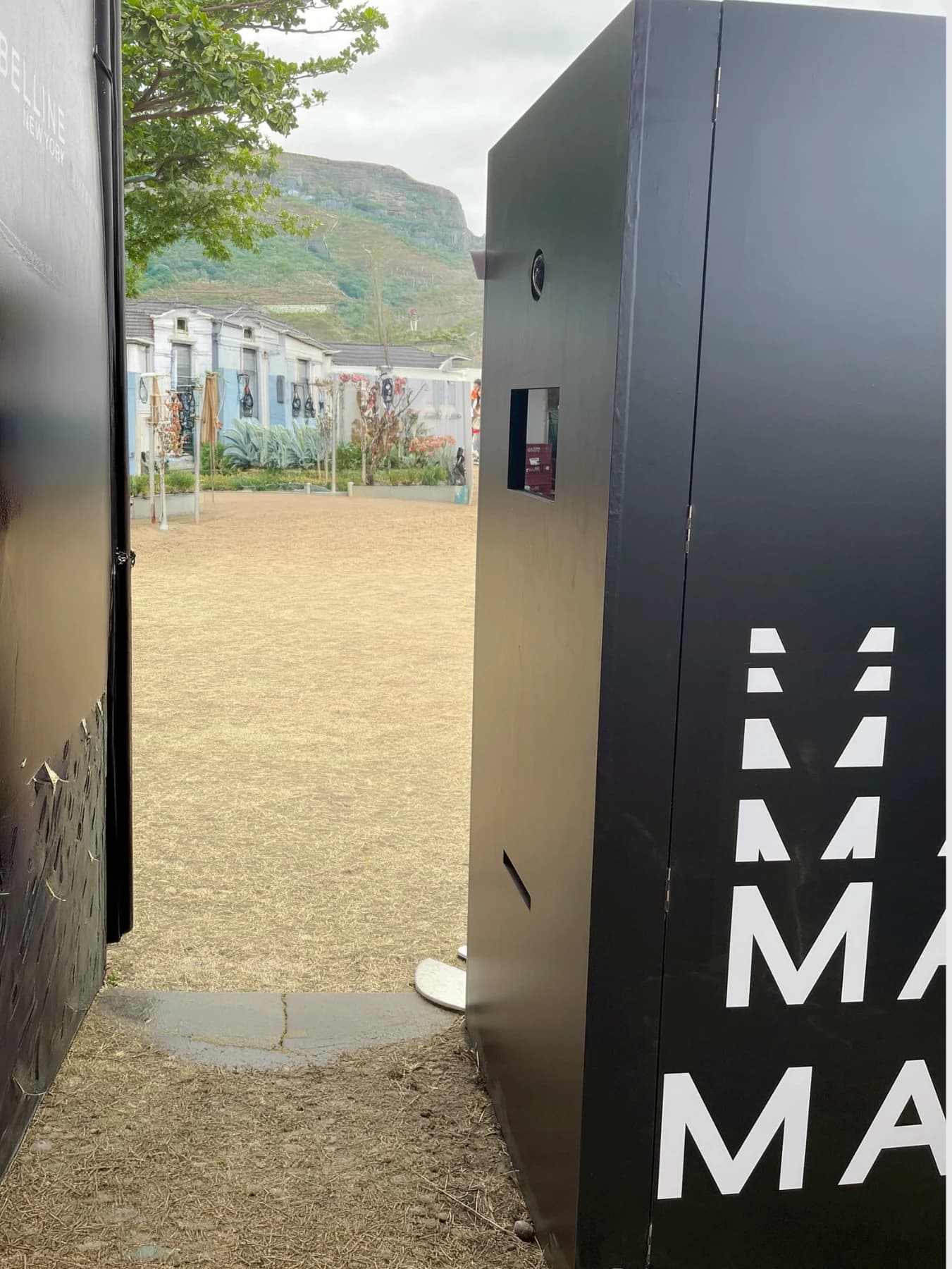
Integrate the device with upright machines, cabinets, themed spaces, or exhibition structures made to match the brand.
Adjust camera and lighting setup according to portrait distance, space, frame ratio, and ambient light.
Custom screens for start, countdown, shoot, retake, frame selection, and completion prompts.
Plan for Korean-style long strips, two-frame, multi-shot, branded photo frames, colors, and product materials.
Evaluate QR code, mobile download, cloud storage, and sharing processes based on network and data policies.
Assess questionnaire, membership, serial number, lottery, or other system integration according to event needs.
Different events and venues have their own main visuals, spatial constraints, and operation methods. This solution organizes the camera, touchscreen, lighting, control computer, and photo output into integrable modules, then installs them within enclosures provided or co-developed with the client. The machine can blend into pop-up stores, exhibitions, retail locations, and themed spaces, rather than being a separate standardized device placed alongside a finished scene.
Early stages require confirmation of enclosure size, camera height and angle, screen openings, lighting positions, photo paper exit, heat dissipation, power, wiring, consumable replenishment, and maintenance access. If the enclosure is produced by the client or exhibition team, we can confirm equipment space based on drawings and samples; if joint planning is needed, we can assist in organizing installation interfaces and testing requirements.
After shooting, brand logos, main visuals, product materials, colors, and event text can be applied, outputting Korean-style long photo stickers, double-frame layouts, or other specified formats. Multiple frame designs can be offered according to the event for participants to choose from, turning the physical photo stickers into take-home collectibles that continuously promote the brand as event memorabilia.
Formal production begins with confirming the venue, enclosure drawings, operational workflows, and output specifications, then proceeds to module configuration, layout development, factory installation, and complete machine testing. Upon transport to the site, positioning, power, network, shooting, and printing tests are completed, with operation and maintenance methods arranged according to event requirements.
The assessment includes the complexity of shell fabrication and integration, photography and printing equipment, machine quantity, photo frame design and user interface, as well as mobile app downloads or other system integrations. Event duration, estimated print volume, consumables, transportation, and on-site maintenance requirements also affect configuration and pricing.
If the shell is completed but lacks reserved camera angles, photo paper exit, ventilation, and maintenance space, structural adjustments may be necessary; it is recommended to confirm the design drawings before fabrication. The venue must have a stable power supply and safe standing areas; for outdoor or semi-outdoor setups, plan for rain protection, sun exposure, temperature control, equipment securing, and space for queueing.
Yes. Please provide enclosure drawings, dimensions, material, and planned openings. We will verify if lens, screen, printer, photo paper outlet, cooling, power, and maintenance space are sufficient, then arrange installation and testing.
Yes. Earlier confirmation of device size, shooting height, paper outlet, cooling, and maintenance requirements helps avoid discovering installation issues after the enclosure is finished.
Yes. We can plan long strip multi-shots, two-frame, or other layouts according to photo paper size, and include brand logos, main event visuals, product materials, and different color styles.
It depends on the site evaluation. You need to handle rain protection, dust prevention, sunlight, temperature, cooling, device securing, and stable power. If environmental conditions cannot protect the device, tents or structures must be planned separately.
Basic shooting and printing can operate locally; for mobile downloads, cloud saving, membership, or third-party service integration, reliable internet is required.
Long-term display can be evaluated, but it requires further confirmation of equipment durability, consumable replenishment, cleaning, remote monitoring, anomaly handling, and regular maintenance methods.
Want to learn about gameplay, applicable venues, or cooperation methods? It's okay if the budget and schedule are not finalized yet, feel free to ask first.
service@lafun.tw