


Choosing an Interactive Installation for a Brand Event: Photo Booths, Vending Machines, and Newspaper-Style Photos
Adding photo-taking, sensor, or giveaway mechanisms to brand events usually aims not just to liven up the scene, but to increase dwell time, create shareable content, and leave participants with a brand-related memory. The issue is: modular custom photo booths, wireless DSLR newspaper photo systems, and custom interactive vending machines all attract crowds but are suited to completely different scenarios.
Conclusion first: choose based on event goals, not equipment names
- If you want participants to self-operate, with the machine seamlessly integrating into the brand shell and producing Korean-style photo strips or exclusive photo paper: choose modular custom photo booths.
- If you prioritize high-quality portrait photography and want a photographer to move around the venue while providing high-memory point products like newspapers: choose wireless DSLR newspaper photo systems.
- If you want to deliver products and giveaways after game completion, sensing, or tasks: choose customized interactive vending machines.
Before choosing interactive devices, confirm these five items
1. What is the actual goal of the event?
If the goal is social exposure, photos and digital downloads generally matter more than giveaways alone; for product sampling or directing participants to specific tasks, interactive vending machines are more direct; if the brand wants to retain high-quality portrait images, a photographer and DSLR cannot be replaced by ordinary selfie lenses. Define what you want participants to do after interaction to decide on equipment.
2. How many participants per hour are expected?
Shooting, photo selection, composition, printing, and collection all consume time. For large crowds, you must consider device speed, queue entries, staff guidance, material replenishment, and issue handling. Event flow should be broken down into each station for estimation, not just asking “how long to print one photo.”
3. Are the venue, power, and network stable?
Modular photo booths require confirmation of shooting distance, shell size, screen and photo paper outlets, cooling, and maintenance paths; wireless DSLR can move but still needs a selection and printing area; vending machines require consideration of body size, pickup area, restocking path, and stable power. Core functions can run over local area network, but mobile download, membership verification, or cloud data exchange usually require reliable external internet.
4. What will participants take away?
Outputs may be photos, newspapers, stickers, products, samples, or digital files on mobile devices. Physical items have souvenir value; digital files are easy to share. When using both, plan layout ratios, download methods, privacy notices, and file retention periods simultaneously.
5. Is customization limited to swapping logos or the entire interactive process?
True customization involves not just logo or decals replacement but also shell and device interface, screen flow, sensing methods, shooting logic, photo paper design, delivery rules, data connections, and onsite operation. The earlier the requirements are defined, the more software, hardware, mechanics, and visuals can be completed in one testing process.
Option 1: Modular Custom Photo Booth
Modular custom photo booths suit events where participants self-operate and the device is fully integrated into the brand’s visual and scene. Camera, touchscreen, lighting, control equipment, and printer are installed into a client-designed or co-planned shell, with lens height, shooting distance, operation steps, and printing workflow adjustable by venue. Output designs can include Korean-style long strips, double frames, or other brand-exclusive photo papers.
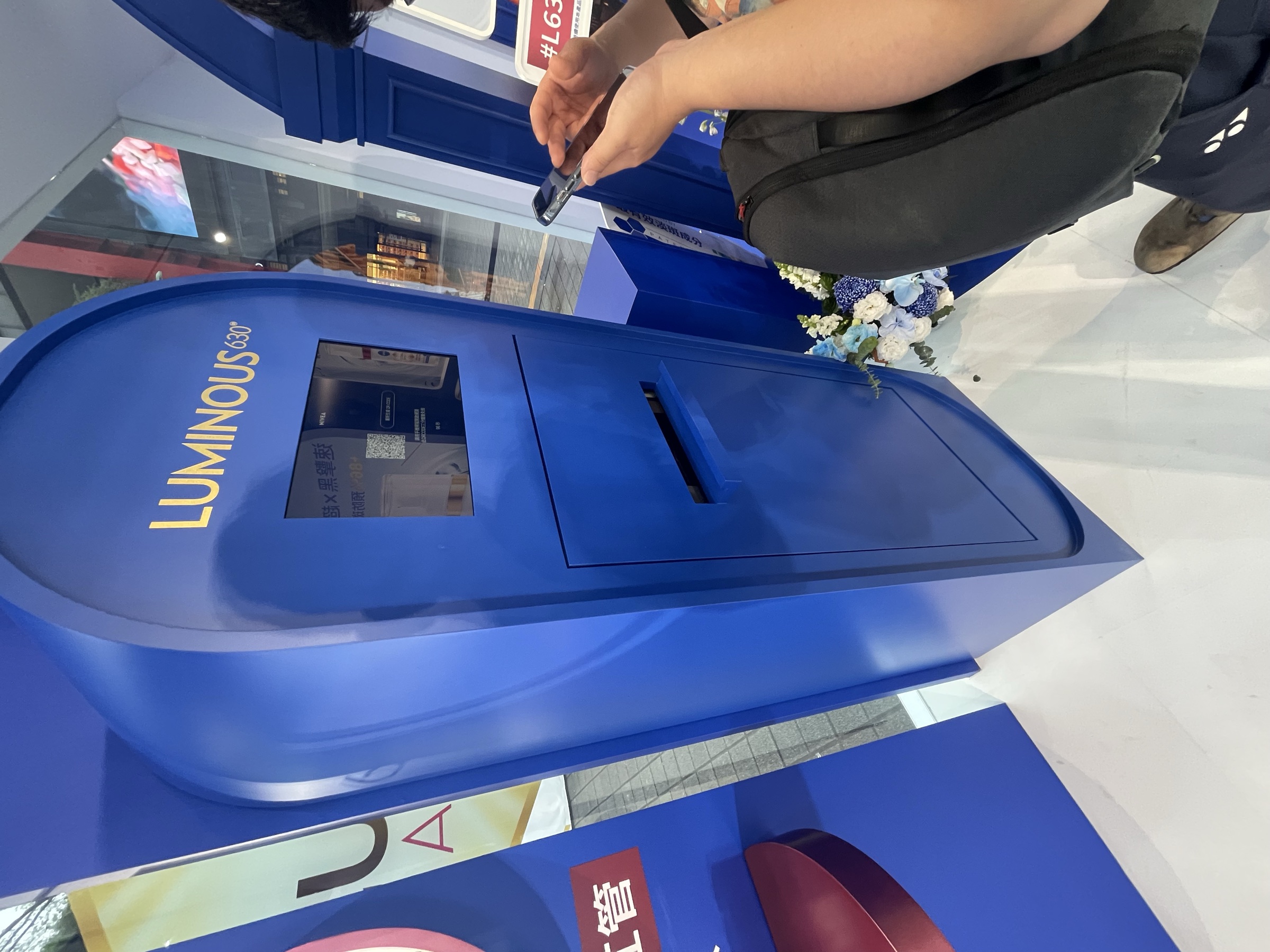
- Advantages: Brand shell, user interface, and photo output are integrally designed, suitable for creating a complete and consistent event scene.
- Note: Confirm shell drawings, lens and screen cutouts, photo paper outlet, cooling, consumables replenishment, and maintenance space in advance.
- Suitable for: pop-up stores, exhibitions, retail stores, touring events, and brands needing Korean-style photo strips or exclusive machine appearance.
- View option:Custom Modular Photo Booth System .
Option 2: Wireless DSLR Newspaper Photography
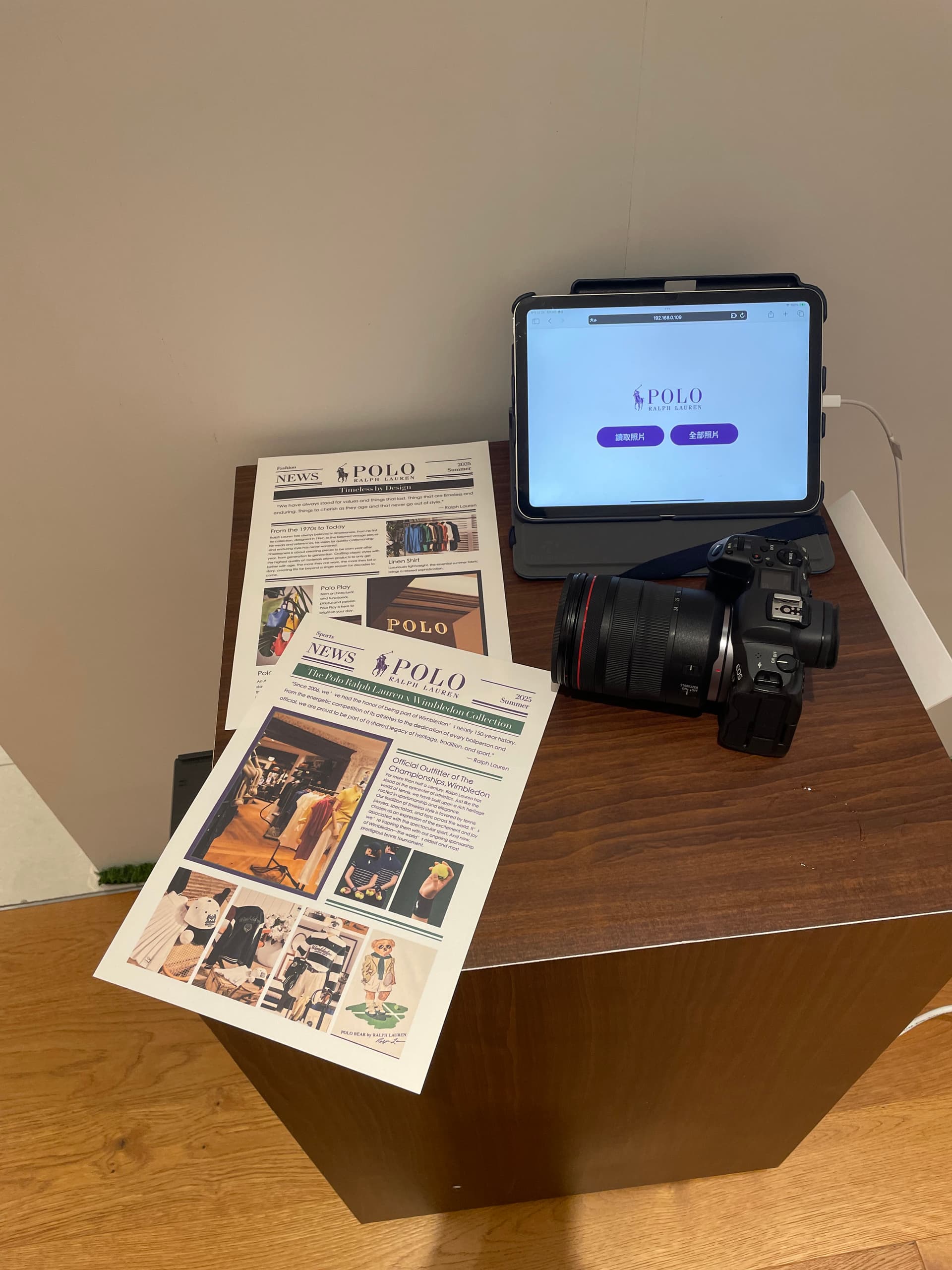
The wireless DSLR setup allows the photographer to move around the venue to compose shots. Photos are sent back for participants to select on a tablet, then applied to a branded newspaper layout and printed on-site. Compared to fixed photo booths, it better preserves subject texture and spatial ambiance, while also providing digital files for mobile download.
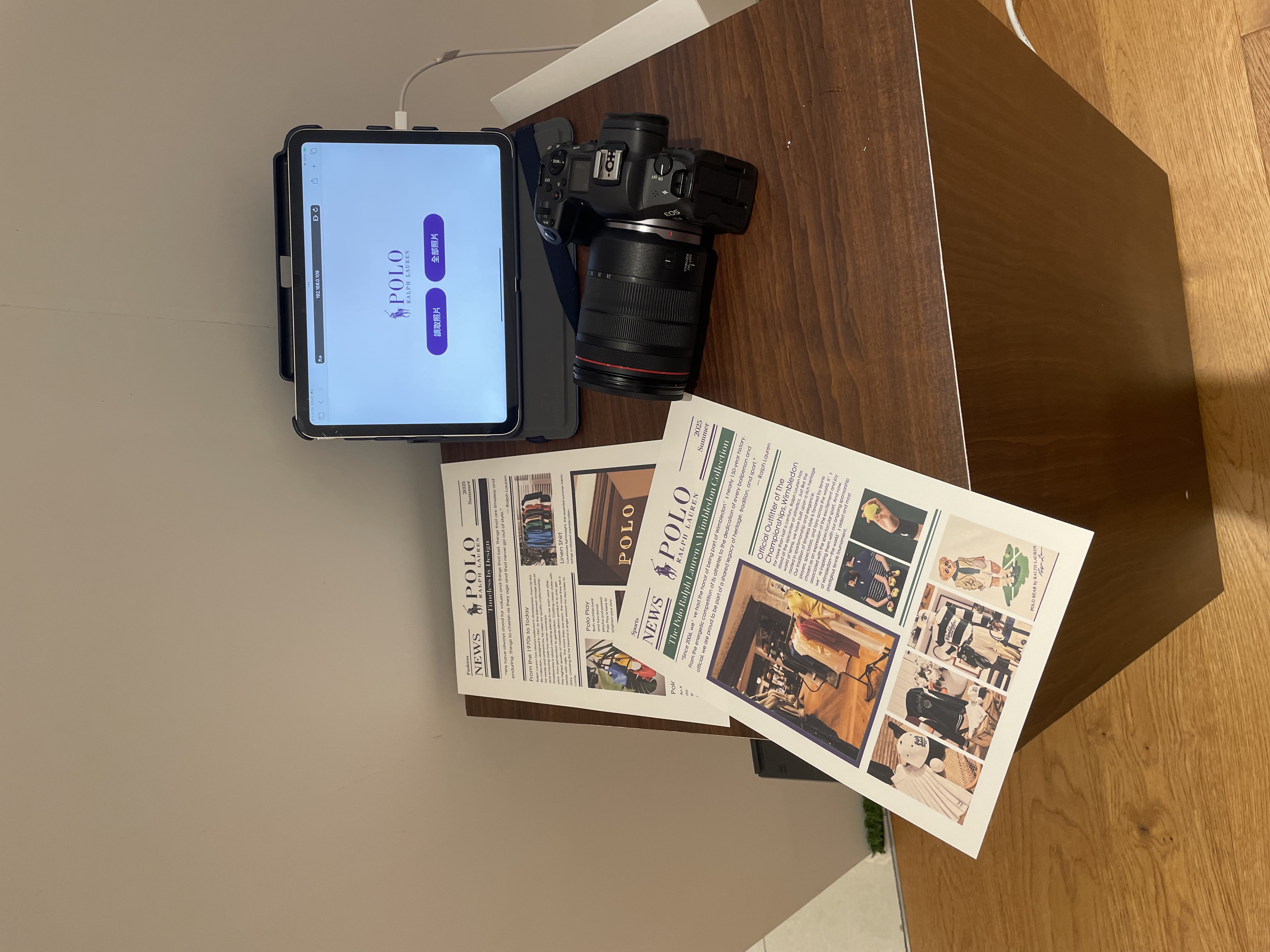
- Advantages: DSLR-quality images, photographer mobility, physical newspaper with high recognition and collectibility.
- Notes: Requires coordination among photography, selection, and printing staff, plus planning for consumables and work area.
- Suitable for: In-store brand events, media events, product launches, occasions emphasizing portrait quality.
- View demo:Wireless DSLR Newspaper Photo Booth .
Option 3: Custom Interactive Vending Machine
The interactive vending machine integrates sensing, games, membership verification or specified tasks, and physical product delivery. Its focus is not on sales, but on having participants complete brand-designed processes, after which the system triggers a specified track to deliver samples, products, or surprise gifts.
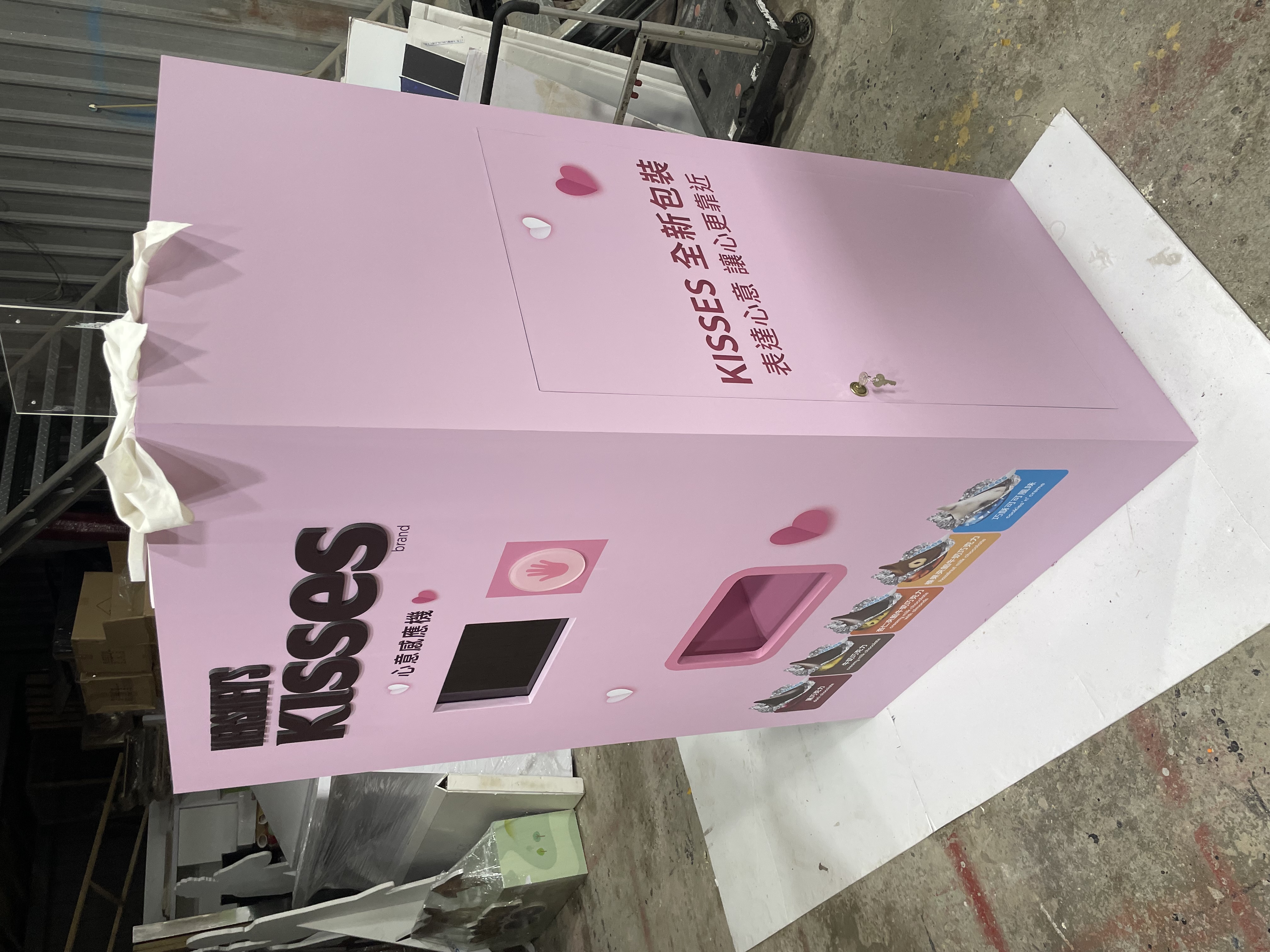
- Advantages: Interaction results link directly to physical products; ideal for sampling, redemption, and task rewards.
- Notes: Product size, weight, packaging friction, and drop path require physical testing.
- Suitable for: New product promotions, member activities, game tasks, exhibitions, and brand tours.
- View demo:Custom Interactive Vending Machine System .
One-minute decision: Which option suits your event?
- Choose modular custom photo booth: Focus on self-service operation, integrating branded enclosure, and Korean-style photo strips or consistent branded photo paper output.
- Choose wireless DSLR: Focus on photography quality, natural interaction, and premium physical souvenirs.
- Choose interactive vending machine: Focus on delivering products, samples, or varied gifts upon task completion.
- Consider hybrid options: First take photos or complete games, then trigger gift delivery based on results. Suitable for events requiring a complete experiential journey.
What typically comprises interactive device costs?
Pricing differences usually stem from software flow, hardware quantity, enclosure and mechanical integration, template quantity, printing consumables, event duration, transport and installation, onsite staffing, and third-party system integration. For photo booths using client enclosures, also include design confirmation, device hole cutting, heat dissipation, maintenance space, factory installation, and full unit testing. Comparing equipment rental alone often overlooks essential testing, backup, and onsite maintenance for formal events.
Preparation before inquiry makes evaluation more accurate
- Event date, location, daily open hours, and estimated attendance.
- Brand objectives: exposure, photo sharing, member collection, product trials, or gift redemption.
- Venue layout, available power, network, shooting distance, and equipment access restrictions.
- If a custom casing is needed, provide drawings, dimensions, materials, planned openings, and maintenance methods.
- Desired physical and digital outputs, and whether personal data or membership integration is required.
- Brand main visuals, product samples, number of photo paper templates, and on-site staffing.
Frequently Asked Questions
Which interactive device processes crowds the fastest?
There is no single answer. Self-service photo booths usually replicate fixed processes more easily, but printing, photo selection, and downloading still affect speed; vending machine task durations and delivery times must also be considered. The correct method is to calculate each station’s throughput based on the complete user flow.
Can different solutions be integrated?
Yes. For example, photos can be taken and brand templates completed first; then the system delivers products according to results. Alternatively, photo-taking eligibility can be granted after finishing a game. Hybrid workflows add value by creating a comprehensive experience, but require synchronized planning of queues, crowd flow, and failure-retry mechanisms.
How far in advance is preparation needed?
Scheduling depends on device fabrication, hardware procurement, software customization, number of templates, and site testing. It is recommended to begin evaluations early after confirming event goals and product specifications, reserving time for stress testing with final products and visuals.
Let the equipment serve the event goals, not the event accommodate the equipment.
Suitable interactive devices should be designed jointly considering brand goals, participant flow, and site conditions. Once the event date, venue, expected attendance, and desired outcomes are determined, you cancontact us to discuss interactive solutions, and we will assist in breaking down requirements for photography, sensing, output, and on-site execution.